Rubbish recycling and donation spots near Highbury Fields
Posted on 31/07/2026
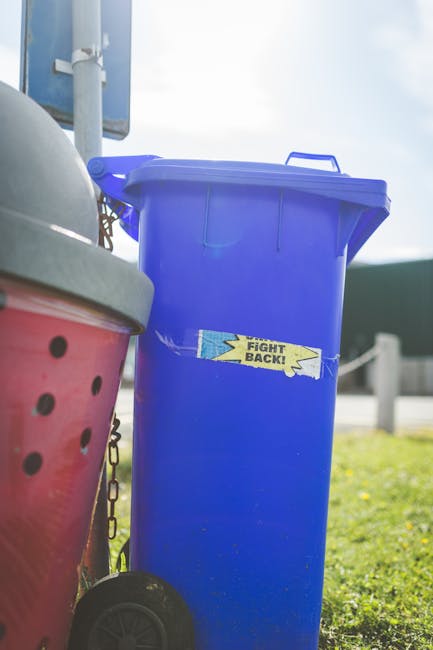
Rubbish recycling and donation spots near Highbury Fields: a practical local guide
If you live, work, or are just passing through this part of N5, finding the right place for unwanted items can be surprisingly tricky. Rubbish recycling and donation spots near Highbury Fields are not just about "getting rid of stuff" - they're about choosing the quickest, cleanest, and most responsible route for items that still have life left in them, or materials that can be reused properly. And let's face it, nobody wants to drag a bag of old bits across town only to discover it should have gone somewhere else. This guide walks you through the sensible options, the common pitfalls, and the easiest way to decide what to do with each type of waste.
You'll find practical advice on recycling, donation, and what to do when something is too bulky, too broken, or simply too awkward to sort yourself. There's also a clear step-by-step process, a comparison table, and a checklist you can use before you leave the house. If you want broader support for larger clear-outs, you may also find rubbish removal in Highbury and the site's recycling and sustainability guidance useful alongside this article.
- Why this matters
- How local recycling and donation usually works
- Key benefits and practical advantages
- Who this is for and when it makes sense
- Step-by-step guidance
- Expert tips for better results
- Common mistakes to avoid
- Tools, resources and recommendations
- Law, compliance, standards and best practice
- Options and comparison table
- Case study or real-world example
- Practical checklist
- Conclusion
- Frequently asked questions
Why Rubbish recycling and donation spots near Highbury Fields Matters
Highbury Fields sits in a busy, lived-in part of Islington, where homes, flats, small businesses, and shared buildings generate a steady mix of waste. Some of it is obvious household rubbish. Some of it is a little more awkward: a lamp that still works, a set of books, a box of clothes, a chair with one wobbly leg, packaging from a flat move, or a bag of kitchen bits after a clear-out. The question is not simply where it can go, but where it should go.
That distinction matters. If you choose recycling or donation properly, you cut down on landfill, keep usable goods in circulation, and make your own life less stressful. If you choose badly, you may waste time, risk a missed collection, or dump something in the wrong stream altogether. In an area like Highbury Fields, where space is tight and journeys are often on foot, by bike, or on the bus, a sensible disposal plan saves effort immediately.
There's also a community side to it. Donation spots and reuse routes support local charities, reduce waste, and help good items reach somebody else who actually needs them. That feels better than leaving things in a hallway "for later", which, if we're honest, often means forever.
For people planning bigger changes - a move, a renovation, a probate clearance, or a downsizing project - it also helps to understand the wider picture. Articles such as the Highbury property buying and selling overview and getting to know Highbury London give helpful local context if you're navigating a more complex transition.
The best waste decision is usually the one that is simple, legal, and kind to the item itself. If it can be reused, reuse it. If it can be recycled, recycle it. If neither is realistic, deal with it properly.
How Rubbish recycling and donation spots near Highbury Fields Works
In practical terms, the process is quite straightforward. You sort the item, decide whether it's reusable or recyclable, and then choose the right destination. The trick is knowing the difference between the categories. Clothes are not the same as electricals. Cardboard is not the same as rigid plastic. A nearly new saucepan is not the same as a broken mirror.
Most donation points want items that are clean, safe, and immediately usable. Most recycling options want materials separated properly and kept free from contamination. That means no food in containers, no loose liquids, no half-finished paint tins in general recycling, and no mystery bags where nobody wants to guess what's inside. Fair enough, really.
For the Highbury area, people usually split their decision into three tracks:
- Donate what is clean, complete, and still usable.
- Recycle what is accepted as a material stream and can be processed correctly.
- Remove professionally what is bulky, damaged, or not suitable for normal drop-off.
If the item is too much for a standard trip, or if you have a combination of things after a clear-out, a service such as waste clearance in Highbury can help bridge the gap between local drop-off and full property clearance. For furniture-heavy situations, house clearance in Highbury is often the more practical route.
One more useful distinction: donation is not always instant recycling. A charity or reuse outlet may sort, repair, clean, or distribute the item later. So if something looks a little tired but still works, it may still be worth offering. If something is broken beyond repair, though, donation is not the answer. Nobody needs a "maybe" sofa with a missing seat cushion and a spring that squeaks like a bad door.
Key Benefits and Practical Advantages
The obvious benefit is less waste. But the better benefits are practical ones. A sensible local disposal plan saves time, keeps your home clearer, and helps you avoid carrying unnecessary clutter around for weeks. In a flat near Highbury Fields, that can make a real difference to how a room feels. One empty corner suddenly changes the whole place.
Here are the main advantages people usually notice:
- Faster decision-making - you know what to keep, donate, recycle, or remove.
- Lower environmental impact - usable items stay in circulation longer.
- Better use of small-space living - especially important in Highbury flats and terraces.
- Cleaner move-outs - useful for tenants, landlords, and sellers preparing a property.
- Reduced stress - a sorted pile is much easier to handle than a mixed one.
There's a financial angle too. If you can donate or recycle items properly, you may avoid unnecessary disposal charges for things that didn't need to be treated as mixed rubbish in the first place. When a collection is needed, it also helps to understand costs and avoid surprises; the site's Highbury rubbish removal cost guide and advice on avoiding hidden fees are useful reading.
And if you care about everyday trust factors - who's taking the waste, how it's handled, and whether the process is safe - it helps to look at insurance and safety information as part of your decision, especially if the job involves awkward lifting or a busy stairwell.
Who This Is For and When It Makes Sense
This guide is useful for a pretty wide range of people. If you've got a pile of things waiting to be dealt with, chances are you'll recognise yourself somewhere in this list:
- Homeowners decluttering before a sale or renovation
- Renters moving out of a flat near Highbury Fields
- Families replacing furniture, toys, or household bits
- Students and young professionals clearing shared spaces
- Landlords preparing a property between tenancies
- Small businesses dealing with office clutter or packaging waste
- Anyone who wants to donate usable goods rather than throw them away
It also makes sense whenever the item is just awkward enough to be annoying. That's often the real trigger. One broken shelving unit is easy to ignore. Three boxes of mixed stuff from the back of a cupboard? That's where people start searching for the nearest practical option.
If you are preparing a commercial space or a work area, the broader service pages can help. For example, office clearance in Highbury is relevant for workspace downsizing, while the services overview gives a clearer sense of how different removal needs are handled.
Truth be told, many people only think about donation and recycling when the piles have already grown. That's normal. The better time to act is before the bag splits on the stairs. Been there, regrettably.
Step-by-Step Guidance
If you want a simple way to tackle rubbish recycling and donation spots near Highbury Fields, use this sequence. It keeps the process calm rather than chaotic.
- Sort everything into categories. Put clothes, books, household goods, electricals, metal, cardboard, and general rubbish into separate piles.
- Check whether items are reusable. If they are clean, complete, and safe, donation is usually the first thought.
- Remove personal data. Wipe phones, shred documents, and clear labels or account info from items like printers or laptops before passing them on.
- Clean the items lightly. A quick wipe, wash, or dusting makes a big difference. Donation spots are much happier with items that don't smell like the back of a cupboard.
- Pack by destination. Keep donation bags separate from recycling bags. Do not mix them up "for convenience". That way lies confusion.
- Check access and opening times. If you're walking from Highbury Fields, a little planning saves an awkward second trip.
- Take only what is accepted. If in doubt, do not assume. Reuse and recycling rules vary by item type.
- Arrange a fallback for bulky waste. If the item is too large, damaged, or unsafe to move, consider a dedicated collection rather than forcing it into a donation stream.
For residents dealing with more structured disposal needs, it can also help to read about household rubbish rules in Highbury and rubbish disposal permits in the area. Those topics become especially relevant if you're moving large volumes or dealing with a vehicle-related disposal plan.
Expert Tips for Better Results
Small habits make this much easier. In our experience, the best outcomes come from people who sort once, then act quickly. If you leave the bags sitting around, they tend to breed - not literally, of course, but somehow the pile gets bigger overnight. Strange how that happens.
These are the tips that matter most:
- Keep donation-worthy items separate from recycling from day one. This avoids contamination and makes the handover faster.
- Photograph valuable reusable items before dropping them off. Useful for records if you're managing a move or clearance.
- Bundle like with like. Books with books, clothes with clothes, cables with cables.
- Think in terms of condition, not sentiment. "Could be useful someday" is not the same as useful now.
- Use a second bag for items that need special handling. For example, small electricals or fragile objects.
- If you have mixed rubbish, clear the obvious reuse items first. It usually reduces the amount that needs professional disposal.
One practical local observation: if you are combining a donation run with a walk through the area, avoid choosing a route that turns a quick errand into a half-day mission. Highbury is pleasant enough, but nobody wants to carry a box of old crockery across town on a warm afternoon just because they thought it "wasn't far".
If you're dealing with garden debris as well as household items, garden waste removal in Highbury may be more appropriate for the non-reusable parts. It's not glamorous, but it is the right sort of practical.
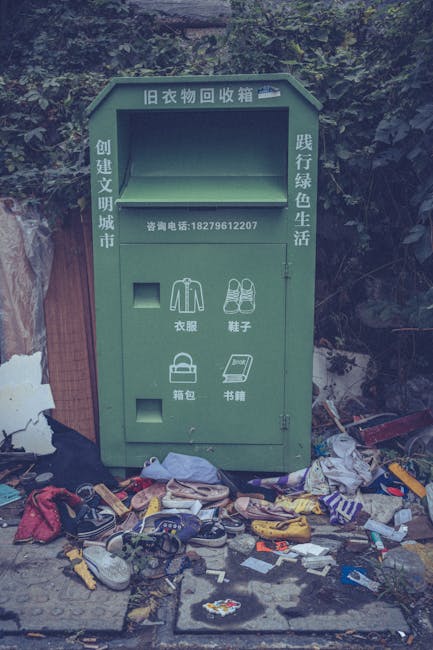
Common Mistakes to Avoid
A lot of people get the broad idea right but stumble on the details. That's where time is lost and good items get wasted.
- Donating damaged items. If it is broken, stained, unsafe, or missing key parts, do not assume someone else will fix it.
- Mixing recycling with general rubbish. One contaminated bag can undo the effort of careful sorting.
- Leaving items outside without checking rules. This can create a mess and may cause issues with neighbours or building management.
- Ignoring fragile or hazardous content. Batteries, paint, and sharp items need special care.
- Forgetting about access. A third-floor flat with a narrow stairwell is not the time to improvise with heavy furniture.
- Assuming every spot accepts everything. Donation and recycling points often have very different requirements.
It's also common to underestimate the time involved. A "quick clear-out" can become a long afternoon if every item needs a separate decision. That doesn't mean the task is hard. It just means it needs a little structure. Start with the easy wins.
If a job starts to feel larger than planned, the site's booking advice for rubbish removal in Highbury Barn is a useful mindset check, even if you're just comparing your own options.
Tools, Resources and Recommendations
You don't need fancy equipment, but a few basics make the process smoother. A marker pen, sturdy bags, gloves, tape, and a couple of reusable boxes are usually enough for a typical household sort-out.
Here's a simple toolkit that works well:
- Strong bags or boxes for sorting by category
- Labels or tape to mark donation, recycling, and general rubbish
- Cleaning cloths for a quick wipe-down before donation
- Basic gloves for dusty or awkward items
- A phone camera to log items you may want to sell or track
As for recommendations, the most sensible order is usually:
- Try reuse or donation for clean, usable items.
- Recycle obvious material streams where accepted.
- Use a proper clearance service for bulky, mixed, or time-sensitive waste.
If you want a better sense of the company's wider approach before booking anything, the about us and recycling and sustainability pages are helpful. For people making a property move or a larger-scale clearance, the site's services overview is a useful starting point.
And if you are comparing a DIY drop-off with a paid service, the practical guide to same-day rubbish collection near Highbury Fields can help you understand when speed matters more than self-transport.
Law, Compliance, Standards, or Best Practice
When handling rubbish, the safest approach is to follow local rules and accepted waste-management practice rather than guessing. In the UK, you should always avoid fly-tipping, keep waste properly contained, and make sure anything handed to a collector or disposal service is handled legally and responsibly. If you are using a vehicle, or leaving waste for collection, make sure you understand whether permission is needed and what your responsibilities are.
Best practice is simple enough: keep waste separated, do not leave hazardous items mixed in with general rubbish, and do not pass on items that are unsafe. For homes and small businesses, this usually means being realistic about what can be donated, what can be recycled, and what should be removed by a proper clearance service.
For local residents, reading the guidance on disposal permits in Highbury and household rubbish rules is a smart move before you place or transport larger waste. If you are booking a collection, it also helps to understand the provider's terms and conditions and payment and security approach so there are no surprises later.
Where appropriate, think in terms of duty of care: who receives the item, how it is sorted, and whether it is being passed on in a condition that makes sense. That's not bureaucracy for its own sake. It is the difference between responsible reuse and avoidable waste.
Options, Methods, or Comparison Table
Not every item should go to the same place. This comparison should help you choose the best route without overthinking it.
| Option | Best for | Strengths | Watch-outs |
|---|---|---|---|
| Donation | Clean clothes, books, homeware, working small items | Extends item life, supports reuse, often simplest for good-condition goods | Not suitable for broken, dirty, or incomplete items |
| Recycling | Material streams such as cardboard, metals, selected plastics, some electricals | Reduces landfill, helps separate valuable materials | Items must be sorted properly and free from contamination |
| Professional clearance | Bulky furniture, mixed waste, time-sensitive clear-outs | Convenient, handles lifting and transport, useful for larger jobs | May cost more than DIY drop-off, so best used strategically |
| DIY disposal trip | Small volumes, short journeys, easily transportable items | Good for a few sorted bags or boxes, immediate control | Can be impractical without a car or if items are heavy |
The simple rule: if the item still has a real use, donation comes first. If it is a material stream and accepted as such, recycle it. If it is bulky, mixed, or awkward, use a proper service. No drama. Just the right route for the right thing.
Case Study or Real-World Example
Picture a typical Sunday morning in a Highbury flat near the Fields. You've got a small stack of unwanted things after a wardrobe clear-out: three bags of clothes, a lamp that still works, a couple of bookshelves, cardboard from a recent delivery, and some general household clutter that has accumulated in the "temporary storage" zone by the front door. Very familiar, that.
The first pass is easy. The clothes are folded into donation bags because they are clean and wearable. The lamp gets checked, wiped, and set aside for donation. The cardboard is flattened for recycling. The bookshelves are the awkward part: one is usable, the other has water damage and wobbly joints. The usable one could be donated if accepted; the damaged one needs removal.
Once the sorting is done, you end up with a much smaller pile of actual waste. That means less to carry, less to think about, and a better chance that the usable items will help someone else. If the broken shelf and a few mixed bags are still too much to move yourself, then a service like Highbury waste clearance or builders waste disposal in Highbury may be the sensible backup, depending on the material.
That kind of mixed-method approach is usually what works best in real life. Not everything needs a truck. Not everything should be left to chance either.
Practical Checklist
Use this before you leave the house or book a collection.
- Have I sorted items into donation, recycling, and general rubbish?
- Are the donation items clean, complete, and safe?
- Have I removed personal data from electronics, papers, or packaging?
- Are any items hazardous, sharp, or unsuitable for normal drop-off?
- Do I know the acceptance rules for each item type?
- Have I checked whether access, parking, or permits matter?
- Is anything too bulky or heavy to carry safely?
- Would a professional clearance save time and reduce hassle?
- Have I separated cardboard, soft plastics, and mixed waste properly?
- Have I chosen the most sensible route, not just the nearest one?
That last point sounds obvious, but it saves a lot of stress. The nearest option is not always the right option. Sometimes the right option is the one that prevents a second trip in the rain.
Get a free quote today and see how much you can save.
Conclusion
Rubbish recycling and donation spots near Highbury Fields are most useful when you treat them as part of a simple, local system: reuse first, recycle second, remove properly when needed. That approach keeps good items in circulation, reduces waste, and makes clear-outs feel less overwhelming. It also gives you a cleaner, more practical way to deal with the everyday mess of modern life, which, to be fair, builds up quicker than most of us admit.
If you've only got a few bags, a short local trip may be all you need. If you've got a full flat's worth of mixed items, it's worth taking a more structured route and avoiding the "I'll sort it later" trap. Either way, a calm plan beats a rushed one. Every time.
And if the task is bigger than expected, that is fine. Start with one bag, one shelf, one decision. The rest gets easier once the first bit is done.


 Tipper Van - Home Waste Removal and Rubbish Removal Prices in Highbury, N5
 Luton Van - Home Waste Removal and Rubbish Removal Prices in Highbury, N5