Islington Council rules for household rubbish in Highbury
Posted on 14/06/2026
Islington Council rules for household rubbish in Highbury: a practical local guide
If you live in Highbury, household rubbish can feel straightforward one week and oddly confusing the next. One bin is full, the recycling caddy is out of sync, a bulky item appears in the hallway, and suddenly you are wondering what Islington Council actually expects. The rules around household waste are not hard once you understand them, but they do reward a bit of care. This guide explains Islington Council rules for household rubbish in Highbury in plain English, with practical advice for day-to-day use, clear steps to follow, and a few local realities that people only learn after a missed collection or two.
You will find what belongs in each waste stream, how to prepare rubbish for collection, what to do with extra items, where the common mistakes happen, and when a more flexible option may make sense. To be fair, most problems come from the same handful of issues: overflow, contamination, awkward timing, and people assuming "it'll probably be fine".
For readers comparing disposal options, it can also help to look at the wider local picture. If you are clearing a flat, dealing with builders' debris, or simply trying to stay on top of an ongoing household reset, you may also find our services overview useful, or browse the individual guides for house clearance in Highbury and rubbish removal in Highbury.

Why Islington Council rules for household rubbish in Highbury Matters
Household waste rules are one of those everyday things you barely notice until something goes wrong. Then, all at once, you notice everything: the bin lid won't shut, the pavement looks untidy, the collection crew leaves a note, or the wrong sack sits out in the rain and attracts attention from neighbours. In Highbury, following Islington Council guidance matters because it keeps your street cleaner, helps collections run on time, and reduces the chance of avoidable mess outside your property.
There is also a practical side. Flats in Highbury often share bin storage areas, narrow access points, and limited space for extra bags. That means a small mistake can affect more than one household. If one resident leaves rubbish loose or puts recycling in the wrong place, the whole bin area can become awkward very quickly. People who live in converted buildings, mansion blocks, and small terraces notice this most. You can almost hear the lid refusing to close on a Monday morning.
It matters for landlords and sellers too. A tidy waste area is part of how a property feels, and in a place like Highbury that can shape first impressions. If you are planning a move or getting a property ready, it may be worth reading about property buying and selling in Highbury alongside your waste arrangements, because clutter has a habit of making a home feel smaller than it really is.
Practical takeaway: the rules are not only about avoiding a missed bin day. They help keep your property manageable, your neighbours happier, and your waste routine much less stressful.
How Islington Council rules for household rubbish in Highbury Works
At the simplest level, the system asks you to separate waste into the right streams, present it correctly, and put it out on the right day and time. That sounds basic, but the details are where people slip up. Household rubbish, recycling, food waste, garden waste, and bulky items are usually handled differently, and each needs a bit of common sense.
Think of it as three stages:
- Sort your waste properly. Keep general rubbish separate from recyclables and any special items.
- Contain it safely. Use the correct bin, bag, caddy, or container and avoid loose spillages.
- Present it correctly. Put it out when required, in the right place, without blocking pavements or entrances.
That is the broad shape of it. The exact details depend on the type of property you live in. A house with its own bin space will feel different from a top-floor flat with shared refuse storage. In many Highbury streets, access is tight enough that bin presentation has to be neat, or else it becomes a nuisance in seconds.
For larger clear-outs, it helps to separate routine household rubbish from everything else. Old furniture, broken appliances, renovation debris, and garden cuttings should not be treated like everyday bin waste. If you have a heavier load, look at a specialist option such as waste clearance in Highbury or builders waste disposal in Highbury rather than trying to wedge everything into normal domestic bins. That is where trouble starts, honestly.
In many households, the trick is routine. Once your sorting pattern is consistent, it becomes almost automatic. Kitchen scraps here, clean recyclables there, general waste kept to what cannot be recovered. Not glamorous, but effective.
Key Benefits and Practical Advantages
Following local household rubbish rules gives you more than compliance. It makes everyday life easier, especially in busy parts of Highbury where time, space, and storage are always at a premium.
- Cleaner shared spaces: less mess around bin stores, front gardens, and communal entrances.
- Fewer missed collections: properly prepared waste is more likely to be taken without issue.
- Better recycling outcomes: clean, uncontaminated recyclables are easier to process.
- Reduced pest risk: sealed bags and timely set-out help avoid smells and unwanted visitors.
- Less stress for residents: everyone knows what goes where, so arguments tend to fade.
There is also a softer benefit that people overlook: it makes a home feel under control. That matters. A neat waste routine can be the difference between a place that feels lived-in and one that feels slightly chaotic by Friday evening. We have all seen the difference.
If you are trying to reduce what ends up in the black bag in the first place, it may also be useful to look at the broader approach on our recycling and sustainability page. Small changes can add up quickly, especially in a household that generates a lot of packaging or food waste.
Who This Is For and When It Makes Sense
This guide is for just about anyone living or working at home in Highbury, but some readers will find it especially useful.
- Flat dwellers: if you share bins or a communal refuse area, you need clarity more than most.
- Homeowners with limited frontage: smaller front gardens or narrow pavements mean presentation has to be tidy.
- Landlords and managing agents: a consistent waste routine helps keep tenants, neighbours, and cleaners on the same page.
- People clearing out a property: when rubbish volume spikes, the standard bin system may no longer be enough.
- Anyone dealing with garden or renovation waste: these materials usually need separate handling.
It also makes sense if you are in the middle of a life change. A move, a relationship break-up, a bereavement, or a house reset can all create a strange, uneven pile of waste. In those moments, everyday rubbish rules are still there, but they may not be the whole answer. If you are dealing with a full property clean-up, a local option like house clearance in Highbury can be much more workable than trying to fight the weekly bin schedule.
And yes, if you are only dealing with a few small bags, the regular system is probably enough. The point is to match the method to the mess. Simple, but not always simple in real life.
Step-by-Step Guidance
Here is a practical way to deal with household rubbish in Highbury without overthinking it.
- Check what waste you actually have. Split it into general rubbish, dry recycling, food waste, and any bulky or awkward items.
- Remove contamination. Food residue, liquids, and loose dirt can make recycling unusable. Give containers a quick rinse if needed.
- Break down packaging. Flatten boxes and squash bottles where appropriate so your bins go further.
- Bag general rubbish securely. Avoid loose waste, especially in wet weather or windy corners.
- Use the right container. Do not put everything into one bin because it is quicker. It usually backfires.
- Place it out correctly. Put bins or sacks where collections can access them without blocking gates, paths, or neighbours' entrances.
- Watch the timing. Set waste out in line with your collection day, not hours or days earlier.
- Handle special items separately. Broken furniture, green waste, and construction waste usually need different arrangements.
A real-world example: a resident in a Highbury flat might have two weeks of food packaging, a broken kitchen chair, and some old plant pots. The packaging belongs in the normal recycling or residual waste stream, but the chair and the bulky plastic pots may need a separate disposal route. Mixing them together is exactly the sort of thing that leads to a bin area looking like a jumble sale by tea-time.
If you want a faster response for urgent household clear-outs, especially around busy local periods, a same-day option may help. Our guide to same-day rubbish collection near Highbury Fields and the Emirates Stadium is useful when timing matters more than anything else.
Expert Tips for Better Results
After years of seeing what goes wrong, a few simple habits stand out.
- Keep a small sorting station indoors. One caddy or box for recycling, one for general waste, one for glass or food scraps if needed.
- Do the flattening early. Cardboard seems harmless until it fills a bin on its own.
- Label communal bins if you can. Even a handwritten note can reduce confusion in shared buildings.
- Set a weekly reset time. Sunday evening or Monday morning works well for many households.
- Don't leave "maybe" items lying around. If it is broken, unwanted, or rusty, decide quickly whether it belongs in normal waste or a separate collection.
One thing people rarely do: they check the bin store before shopping. Yet a full recycling box or overflowing wheelie bin can change the whole week. If space is tight, plan around it. It is a small habit, but it saves a lot of annoyance.
Another practical tip: if you are clearing out a room, do not wait until the end to think about disposal. Sort as you go. It sounds obvious, and still, people don't. On moving day, that little pile becomes a mountain very fast.
For households that regularly generate more waste than a standard collection comfortably handles, it can be worth comparing options and costs before things build up. Our rubbish removal costs guide for Highbury N5 is a sensible starting point if you are weighing up whether a one-off clearance is better value than repeated DIY trips.

Common Mistakes to Avoid
The mistakes are usually not dramatic. They are the everyday ones that slowly create bigger problems.
- Overfilling bags and bins: the lid should close. If it cannot, the contents are more likely to spill or be left behind.
- Mixing recycling with food waste: one greasy container can spoil a whole batch.
- Leaving waste out too early: this can look untidy and may attract litter or pests.
- Assuming bulky items count as normal rubbish: they often need separate treatment.
- Ignoring shared-space etiquette: in a block of flats, one careless household can inconvenience everyone.
- Using the pavement as a storage area: it may seem temporary, but temporary has a way of turning into permanent.
There is also the classic mistake of "I'll deal with it tomorrow." That one has a nasty habit of turning into three bags, a smell, and a very awkward conversation with your neighbour. Bit grim, but true.
When in doubt, slow down and separate the waste properly. It takes less time than fixing a rejected collection or arranging a last-minute clean-up.
Tools, Resources and Recommendations
You do not need a lot of equipment to stay on top of household rubbish, but a few basic tools make the job much easier.
- Sturdy bin bags: stronger bags reduce splits and leaks.
- Stackable indoor containers: helpful for flats and smaller kitchens.
- Box cutters or scissors: handy for breaking down cardboard safely.
- Reusable bags or crates: useful for transporting items to separate disposal points or storage areas.
- Labels or coloured tape: a simple way to mark recycling categories in shared spaces.
For readers who want a broader service view, our services title page gives a helpful overview of what is available locally. You can also explore general rubbish removal, garden waste removal, or builders waste disposal depending on what you are trying to clear.
One small recommendation from experience: keep a "do not bin yet" corner for items you may want to donate, reuse, or dismantle later. A spare shelf, a crate in the hall, even a quiet spot in the utility area can stop useful things disappearing into general waste too quickly.
Law, Compliance, Standards, or Best Practice
Household waste in London sits within a mix of council collection rules, wider environmental duties, and practical neighbourly standards. You do not need to memorise legislation to get it right, but it helps to understand the principle: waste should be separated, contained, and presented in a way that avoids nuisance, contamination, and unsafe handling.
For residents, the main issue is usually compliance with local collection requirements and the common-sense parts of waste control. That means:
- presenting waste only as instructed;
- not overloading communal areas;
- keeping recyclables clean and separate where possible;
- avoiding fly-tipping or abandonment of rubbish;
- using responsible disposal routes for larger or unusual items.
If you are a landlord, managing agent, or anyone responsible for a building, the bar is a little higher. Shared bins, tenant turnover, and periodic clear-outs all create extra risk. A light-touch system often works best: clear bin labels, house rules for out-of-bin items, and a plan for bulky waste before it becomes a corridor problem. In Highbury, that sort of routine is not overkill. It is just sensible.
Expert note: best practice is usually the safest route where local rules are not obvious. If waste is questionable, bulky, damp, sharp, or mixed with renovation debris, treat it separately rather than trying to force it into normal household bins.
If you need help reducing the risk around heavier loads or awkward materials, our insurance and safety information is a sensible read before arranging a clearance. It is one of those pages people skip until they really wish they had not.
Options, Methods, or Comparison Table
There is no single right answer for every household. The best method depends on how much waste you have, how often it appears, and how much time you want to spend dealing with it.
| Option | Best for | Strengths | Limits |
|---|---|---|---|
| Routine council-style household bin use | Normal day-to-day waste | Simple, familiar, low effort | Not suitable for bulky or very large amounts |
| Recycling-first separation | Homes producing lots of packaging or clean recyclables | Reduces general waste, improves efficiency | Needs good sorting discipline |
| Bulky-item or specialist clearance | Furniture, appliances, mixed loads, clear-outs | Handles awkward items in one go | Usually requires arranging in advance |
| Garden or builders waste disposal | Cuttings, soil, rubble, renovation leftovers | Better suited to heavy or dirty materials | Not appropriate for everyday rubbish |
If you want a rough next step, ask yourself one question: is this ordinary household rubbish, or is it something that would make your bin look like a bad Tuesday? If it is the second one, the specialist route is usually the calmer choice.
Case Study or Real-World Example
Consider a typical Highbury flat after a long weekend. There is a pile of takeaway packaging, a few empty bottles, a broken bedside table, and some torn bags of old clothes. On Monday morning, the resident wants everything gone at once. Understandable, really. Nobody wants a hallway full of debris when the week is just getting started.
The cleanest way to handle it would be:
- sort clean packaging and bottles into recycling;
- bag soft general rubbish securely;
- separate the broken furniture as bulky waste;
- set out only what matches the collection rules;
- arrange a separate removal for the table if it will not fit the normal system.
That approach takes a little more thought up front, but it prevents a common outcome: bags left half-open, recycling contaminated, and an awkward pile growing in the bin store. In real life, the "easy" method is often the one that creates the most work later.
We see the same pattern with property clear-outs. A few mixed items become a lot of mixed items, and then the whole place feels heavier somehow. If you are in that stage, a broader clearance service can be more practical than repeatedly wrestling with weekly bins.
Practical Checklist
Use this quick checklist before you put household rubbish out in Highbury.
- Have I separated general waste, recycling, and food waste?
- Are all bags tied securely and not leaking?
- Have I flattened cardboard and broken down large packaging?
- Does anything here count as bulky, sharp, heavy, or specialist waste?
- Have I kept rubbish away from entrances, steps, and shared walkways?
- Am I putting it out at the right time for collection?
- Do I need a one-off removal for anything that will not fit the normal system?
- Would a cleaner sort now save me time and frustration later?
Quick reminder: if you feel unsure, do not guess. A few minutes of checking can save a full bin, a missed collection, or a messy pile on the pavement.
Conclusion
Islington Council rules for household rubbish in Highbury are really about order, timing, and using the right disposal path for the right kind of waste. Once you understand the basics, the whole thing becomes easier to manage. Keep waste sorted, contain it properly, avoid overfilling, and separate bulky or awkward items before they become a problem.
For many homes, the weekly collection system is enough. For others, especially flats, busy households, landlords, or anyone doing a clear-out, a more flexible approach can save time and reduce stress. That is not overreacting; it is just choosing the practical option. And in a place like Highbury, practical usually wins.
If you are unsure whether your rubbish is ordinary household waste or something that needs a separate collection, start small: sort it, review it, and choose the cleanest route available. A little attention now makes the rest of the week feel lighter. Truth be told, that is worth a lot.
Get a free quote today and see how much you can save.
And if you are making changes around the home, trying to declutter, or simply reclaiming a bit of breathing room, you are not alone. Small, tidy steps have a way of turning a hectic space back into somewhere calm.
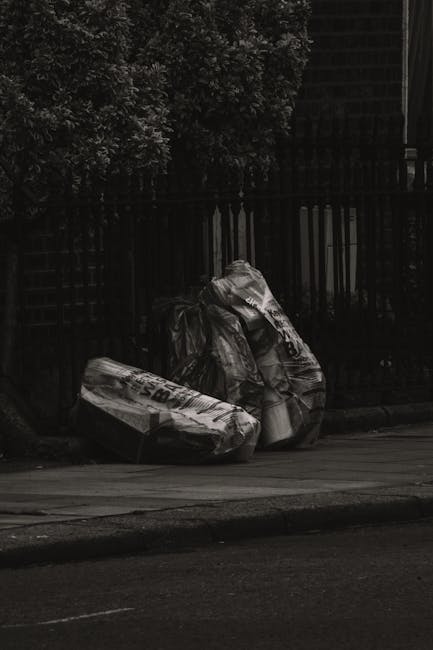


 Tipper Van - Home Waste Removal and Rubbish Removal Prices in Highbury, N5
 Luton Van - Home Waste Removal and Rubbish Removal Prices in Highbury, N5