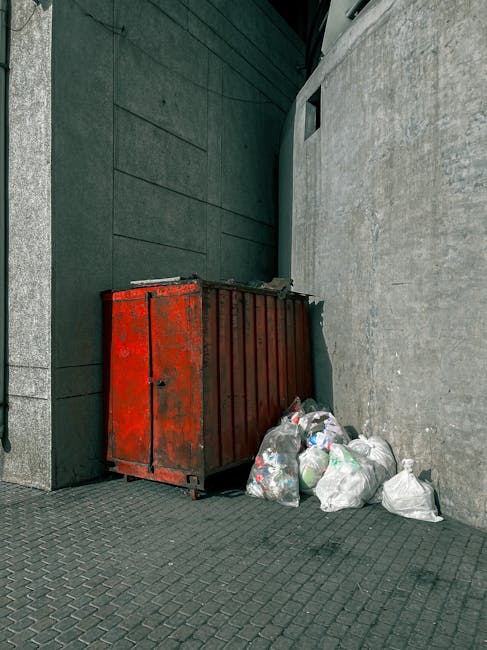






Cheap rubbish removal Highbury shops and offices commercial rates
Posted on 24/06/2026

If you run a shop, manage an office, or oversee a mixed commercial space in Highbury, rubbish has a habit of building up quietly and then suddenly becoming a problem. Cardboard stacks up near the stockroom, broken fixtures wait by the back door, old desks linger after a team reshuffle, and before long the space feels tighter, messier, and harder to work in. That is where cheap rubbish removal Highbury shops and offices commercial rates becomes more than a nice-to-have. It is a practical way to keep your premises tidy, reduce disruption, and avoid paying for waste in a clumsy, last-minute way.
This guide explains how commercial rubbish removal works in Highbury, what affects the price, where businesses often lose money, and how to make sure "cheap" still means reliable, safe, and sensibly handled. You will also find a comparison table, a checklist, and a few straightforward examples from the sort of day-to-day situations businesses actually face. No fluff. Just the useful bits.
Why Cheap rubbish removal Highbury shops and offices commercial rates Matters
Commercial waste is not the same as the odd household bag you leave out once a week. Shops and offices create waste streams that are faster-moving, bulkier, and often more time-sensitive. Think packaging from deliveries, old point-of-sale material, broken shelving, office chairs, paper archives, and the occasional "where on earth did this come from?" pile that appears after a stock reset. If you delay removal, the knock-on effect is usually felt at the front of house: cramped aisles, blocked storage, reduced staff efficiency, and a workplace that feels less professional.
In Highbury, many businesses also need rubbish collection that works around trading hours, deliveries, customer footfall, and building access. To be fair, that part matters just as much as the price. A very cheap quote is no bargain if the crew arrives when your team is busiest or leaves waste behind the back entrance for everyone to step around.
Commercial rates matter because they help business owners budget properly. Instead of treating waste clearance as an emergency expense, you can plan around predictable collection patterns and avoid the awkward surprise of paying over the odds for an urgent uplift. If you want a broader overview of what is typically available locally, the services overview gives a useful starting point, and the more detailed pricing and quotes page is helpful when you are comparing options.
There is also a reputation angle. A tidy shop window and a clear office entrance say a lot. Customers, tenants, suppliers, and staff notice these things, even when nobody mentions them out loud. A clean site feels organised, and that tends to rub off on the rest of the business.
How Cheap rubbish removal Highbury shops and offices commercial rates Works
Commercial rubbish removal in Highbury usually follows a simple pattern: identify the waste, estimate the volume, agree a collection time, and have the material removed by a team that can safely load, transport, and dispose of it. The details matter, though. Office waste and shop waste can include mixed materials, and mixed materials often affect how much sorting is needed before disposal or recycling.
In practical terms, the process often starts with a quick assessment. A provider may ask what needs taking away, whether there are bulky items, whether lifting is involved, and how easy access is. That last bit is easy to underestimate. A basement stockroom, a narrow staircase, or a loading bay with limited access can all affect time and cost. A quick pickup is one thing. A fourth-floor office clearance with no lift is another story entirely.
For businesses that need space cleared rather than just rubbish bagged, it is worth looking at related services such as office clearance in Highbury or broader waste clearance options. If the waste includes refurbishment material, packaging from fit-out work, or light construction debris, builders waste disposal in Highbury may be the better fit.
Commercial rates are usually influenced by a few core factors:
- Volume of waste, often the biggest driver.
- Weight and type of material, especially if items are dense or awkward.
- Labour time, including stairs, dismantling, and sorting.
- Access, parking, and whether collection must be timed carefully.
- Disposal route, since recyclable and non-recyclable loads may be handled differently.
- Urgency, particularly for same-day or out-of-hours work.
If your business has a regular flow of waste, you may want a recurring arrangement rather than one-off removals. If the need is occasional, ad hoc collection can still be cost-effective as long as the quote is clear and itemised. And yes, clear really does mean clear - not the sort of vague "from" pricing that looks harmless until the invoice arrives.
Key Benefits and Practical Advantages
The main benefit of commercial rubbish removal is obvious: you get your space back. But the real value runs deeper than that. For a shop, it may mean clearer aisles, safer staff movement, and a better customer experience. For an office, it can mean tidier workspaces, faster reconfiguration, and fewer distractions during busy weeks. These are not abstract benefits. They affect how people move, work, and feel inside the property.
There is also a time-saving angle. If your team starts dragging rubbish into a corner "just for now", that corner often becomes permanent. One stack becomes two. A few boxes become a maze. We have all seen it. It is oddly easy for one neglected pile to turn into a mini landmark.
Here are some practical advantages businesses usually care about most:
- Less disruption to staff and customers.
- Faster turnaround after refits, stock changes, or office moves.
- Better presentation at the front of house and in shared spaces.
- Reduced health and safety risks from clutter and blocked access routes.
- More predictable spending when rates are quoted upfront.
- Improved recycling outcomes when waste is separated properly.
For businesses looking to improve environmental performance as well as costs, the recycling and sustainability page is worth a look. It is a useful reminder that cheaper removal should not mean careless disposal. In many cases, better sorting can reduce both waste and cost. That is the ideal, anyway.
If you are comparing providers, keep an eye on insurance, safety, and terms too. Those pages may not sound exciting, but they matter more than people expect. A low price is easier to respect when the operator is transparent about how they work, how they handle loads, and what happens if something goes wrong. The insurance and safety information is especially useful in that regard.
Who This Is For and When It Makes Sense
This service suits a wide range of Highbury businesses, but it is especially useful for places with regular packaging waste, bulky storage items, or periodic clear-outs. Shops tend to need it after stock rotations, refurbishments, seasonal changes, and delivery-heavy periods. Offices often need it after desk changes, moves, renovations, or end-of-tenancy clearances.
It makes sense when your internal bins are no longer enough. That usually happens when:
- cardboard is taking over the stockroom;
- old furniture is blocking circulation space;
- you are preparing for a fit-out or rebrand;
- you need waste gone before inspectors, clients, or contractors arrive;
- staff are spending time managing rubbish instead of doing their jobs;
- you want a one-off clear-out before a new lease begins.
It can also be relevant for landlords, managing agents, and business owners buying or selling commercial property. A tidy, waste-free space shows better and is easier to hand over. If you are involved in property changes nearby, you may find the local context in Highbury property buying and selling overview useful, even if the connection is indirect. The point is simple: waste affects presentation, and presentation affects decisions.
For readers who want a feel for the local area and how businesses fit into it, the posts on getting to know Highbury and whether Highbury is a great place offer a broader picture. That context helps when you are planning services around a neighbourhood that is busy, lived-in, and always moving a bit faster than it looks on a quiet morning.
Step-by-Step Guidance
If you want the process to be smooth, a little prep goes a long way. The best commercial clearances are usually the ones where someone has taken ten minutes to sort the obvious stuff first. Not everything needs labelling like a military operation. Just enough structure to save time later.
- Walk the site and list the waste
Start with what is visible. Cardboard, office chairs, shelving, broken stock, packaging, old displays, and general mixed waste should all be noted separately where possible. - Separate what can be recycled or reused
Cardboard, metals, clean wood, and office paper often have different handling routes from mixed rubbish. Even basic sorting can reduce loading time. - Check access and parking
Think about stairs, lifts, loading bays, and how the crew will actually get the material out. Access can change the whole quote. - Get an itemised estimate
A proper quote should explain how the price is built up, not just throw out a neat number and hope you do not ask follow-up questions. - Choose a time that protects trading
Early morning, quieter periods, or after closing time can be best for shops. Offices often prefer a window that avoids staff meetings or client arrivals. - Prepare items for uplift
If safe to do so, place waste in one area and keep walkways open. That keeps labour time down and reduces disruption. - Confirm what is not included
Hazardous materials, confidential documents, and specialist disposal needs should be discussed in advance. - Review the load after collection
Quick final checks help spot anything missed and avoid a second call-out. Annoying if that happens, honestly.
If you are in a rush, same-day collection may be useful. For situations where timing really matters, same-day rubbish collection in Highbury explains the kind of scenarios where speed matters most. And if you want to understand how pricing can shift from job to job, the real cost guide is a sensible companion read.
Expert Tips for Better Results
One of the easiest ways to keep rates low is to reduce wasted labour. That means doing the small things well. A bit of sorting, a clear access route, and a realistic collection window can shave time off the job. In commercial waste work, time often is money. Not in a dramatic way. Just in a very ordinary, very expensive way.
Tip 1: Consolidate waste by type where possible. A single mixed pile is slower to process than separated cardboard, furniture, and general refuse. The more obvious the load, the easier it is to price fairly.
Tip 2: Ask what happens with reusable items. Some furniture, fixtures, or stockroom materials may not need to go straight to disposal. Even if nothing is reused, asking the question sharpens the quote.
Tip 3: Make sure your team knows the collection plan. The classic problem is when half the office is ready and the other half is still using the hallway as a temporary storage zone. A tiny bit of coordination helps more than people expect.
Tip 4: For shops, try to avoid peak customer flow. A quiet hour before opening or just after closing usually works better than a midday scramble. For offices, it may be worth aligning removal with cleaning schedules, desk moves, or maintenance visits.
Tip 5: Keep an eye on recurring waste. If the same type of rubbish appears every week, the real saving is not one cheap collection; it is changing the waste routine so the piles stop growing in the first place.
There is also a trust angle here. Work with a provider who is clear about payment, security, and terms, and who can explain the process without making everything sound mysterious. The pages on payment and security and terms and conditions are relevant precisely because they help set expectations before the van arrives.

Common Mistakes to Avoid
The most common mistake is chasing the lowest headline price without checking what it includes. Cheap can be great. Cheap can also become expensive if the provider charges extra for loading time, stairs, access, or types of waste that were never discussed. It is the old story, really. The quote looked lovely. The invoice did not.
Other mistakes worth avoiding:
- Leaving everything mixed together when some items could be handled more efficiently if separated.
- Ignoring access issues until the team is already outside with a full vehicle.
- Assuming all waste is the same when office, shop, and builder-type materials often need different handling.
- Forgetting about confidential items such as documents or old filing systems.
- Not checking the small print on collection windows, cancellation terms, or extra lifting charges.
- Using a one-off rubbish clear-out as a substitute for a waste plan when the problem is actually recurring.
Another common slip is not thinking about local rules. Businesses should be careful about how waste is stored, when it is presented, and whether anything requires special handling. If you need a practical angle on council-facing disposal issues, the guides on rubbish disposal permits in Islington and local rubbish rules in Highbury are useful background reading. They are household-focused in title, but the broader point about planning and compliance still helps.
One more thing: do not assume "commercial rates" automatically means fixed rates. Sometimes a provider can only confirm the price properly after seeing the load. That is normal. What you want is clarity, not guesswork dressed up as certainty.
Tools, Resources and Recommendations
There are no fancy gadgets required here. Most of the useful tools are practical and slightly boring, which is often a good sign. A tape measure, a basic inventory list, a phone camera for visual estimates, and a simple note of access details can save time and money.
Helpful internal resources for businesses planning waste removal include:
- general rubbish removal in Highbury for everyday mixed loads;
- office clearance in Highbury when desks, chairs, and office fit-out items need removing;
- waste clearance services for broader commercial tidy-ups;
- pricing guidance to compare cost structures more sensibly;
- recycling guidance for businesses trying to improve waste handling.
For a company that wants the job done efficiently, the best recommendation is usually simple: gather clear information first, then request a quote that reflects your actual site conditions. If you have cardboard-heavy waste, mention that. If there are stairs, mention those. If the office is on a busy road with limited stopping space, mention that too. A good quote gets better when the details are honest.
And if you are ever unsure how a service fits into the wider picture, the about us page is a useful place to understand the company's approach before you commit. Trust matters. Especially in commercial work, where you are letting people into your premises and relying on them to leave things better than they found them.
Law, Compliance, Standards, or Best Practice
Commercial waste handling in the UK sits inside a framework of common-sense obligations and practical responsibilities. You do not need to become a compliance expert to manage a shop or office properly, but you do need to know the basics. Waste should be handled by suitable operators, and businesses should avoid leaving waste where it creates nuisance, safety hazards, or avoidable confusion over who is responsible for it.
For most readers, the best practice is straightforward:
- store waste safely and securely before collection;
- separate recyclable material where practical;
- keep access routes clear for staff and collectors;
- make sure any confidential material is protected;
- confirm what materials the provider can and cannot take;
- use a service that is transparent about handling, payment, and disposal.
If your site includes items with specialist handling needs, such as electrical equipment, contaminated materials, or anything that could be classed as hazardous, you should treat that separately and ask for clear guidance before collection. That part is not the place to improvise.
Also worth saying: local conditions matter. A service that works perfectly for one shop may be awkward for another because of access, parking, neighbouring businesses, or the rhythm of the street. In a place like Highbury, where streets can be busy and premises varied, being realistic about the site is part of good compliance. Not glamorous, but necessary.
For business owners interested in property-related context, the pieces on buying property in Highbury and Highbury property buying and selling can help explain how presentation and upkeep affect broader commercial decisions. Different topic, same principle: clutter costs money in one way or another.
Options, Methods, or Comparison Table
Not every rubbish problem needs the same solution. A small office may only need a one-off uplift. A retail unit might need regular collections. A refit or relocation may require a more intensive clearance. Picking the right method usually saves more than squeezing the last pound out of a quote.
| Option | Best for | Strengths | Trade-offs |
|---|---|---|---|
| One-off commercial rubbish removal | Occasional clear-outs, seasonal waste, end-of-project tidy-ups | Flexible, quick to arrange, good for irregular jobs | May be less cost-efficient for frequent waste generation |
| Regular waste clearance | Shops and offices with predictable ongoing waste | Stable routine, easier planning, less build-up | Needs consistent scheduling and monitoring |
| Office clearance | Desk moves, relocations, fit-outs, furniture removal | Better for bulky office items and full clearances | May include more labour and access planning |
| Builders waste disposal | Shop refits, office refurbishments, light construction debris | Suited to heavier, messier, project-based loads | Not ideal for ordinary mixed business waste |
For many Highbury businesses, the cheapest route is not the same as the lightest-touch route. A shop with daily cardboard and packaging, for example, may benefit more from a tidy recurring arrangement than from occasional emergency clearances. That is the kind of choice that makes the numbers behave.
Case Study or Real-World Example
Picture a small independent shop in Highbury that has just completed a seasonal refresh. New stock has arrived, old display units have been swapped out, and the back room is full of flattened cardboard, broken packaging, a damaged shelf, and a few awkward items that no one wants to deal with. The owner has two priorities: clear the mess quickly and keep costs sensible.
Instead of leaving the load to grow, the team sorts the material into rough groups: cardboard, reusable fixtures, and mixed rubbish. They move it all to one easily accessible point near the back entrance and book a collection outside opening hours. The provider can work faster because the site is prepared, and the final price stays lower than it would have been if everything had been scattered across the premises.
Now compare that with a less organised version. The waste is left in three different rooms, the lift is busy, the vehicle has nowhere easy to stop, and someone realises at the last minute that an old desk still needs dismantling. The collection still happens, but it takes longer and costs more. Same waste. Different outcome.
That is the real lesson with cheap rubbish removal for shops and offices: the cheapest job is usually the one that is prepared properly. A bit of planning makes a noticeable difference. Nothing magical, just sensible.
If the same business later decides to refresh the office area as well, it may need a more focused approach such as office clearance rather than a simple refuse uplift. The right service for the right load. Sounds obvious, but people skip that step more often than you would think.
Practical Checklist
Use this before you request a quote or book a collection.
- List the waste types you need removed.
- Estimate the amount as best you can.
- Note stairs, lifts, and parking limits.
- Separate recyclable items if practical.
- Check for confidential or sensitive materials.
- Decide whether the job needs same-day or scheduled collection.
- Prepare a single accessible collection point.
- Ask what is included in the quoted rate.
- Confirm payment terms and any extra charges.
- Make sure staff know the collection time and access plan.
Expert summary: The best commercial rubbish removal in Highbury is the one that is priced clearly, collected at a sensible time, and tailored to the actual premises. Cheap rates are helpful, but only when they are backed by decent planning, honest communication, and proper handling of the waste. That balance is what keeps a business moving without the mess becoming a distraction.
Get a free quote today and see how much you can save.
Conclusion
Cheap rubbish removal for Highbury shops and offices is really about value, not just the lowest number on a quote. If the service is efficient, safe, and aligned with your space, it can save time, protect your team, and improve how your business feels day to day. That matters whether you run a small shop, an office suite, or a mixed-use premises with a steady stream of packaging and old equipment.
The smartest approach is simple: know what needs removing, make access easy, compare what is included, and choose a provider that understands commercial work rather than treating it like a rushed one-off tip run. When those pieces line up, the whole job becomes lighter. Less fuss. Less clutter. Less stress.
And honestly, that tidy, clear, ready-for-business feeling? You notice it straight away.