






Before and after rubbish removal N5 hoarders flat Highbury
Posted on 18/08/2026
Before and after rubbish removal N5 hoarders flat Highbury: a practical guide to turning overwhelming rooms into usable space
If you are dealing with a before and after rubbish removal N5 hoarders flat Highbury situation, you probably already know the emotional side of it. It is not just "a bit of clutter." It can be a flat that feels impossible to move through, cupboards that no longer close properly, or a hallway that has become a storage lane for years of decisions put off for later. Then, once the rubbish is removed, the difference can be startling. Quiet, even. The air feels lighter. The rooms make sense again.
This guide walks through what the transformation usually looks like, how rubbish removal in a hoarded flat is typically handled, what to expect before booking, and how to avoid common problems. It also covers practical steps for families, landlords, and anyone trying to restore a flat in Highbury without making the situation harder than it needs to be. If you want a broader overview of the services available, you can also look at the services overview and the main rubbish removal Highbury page for context.
Why Before and after rubbish removal N5 hoarders flat Highbury Matters
The before-and-after contrast matters because it shows something people often struggle to explain: a hoarded flat is not only untidy, it can become unliveable in practical terms. Pathways narrow. Surfaces disappear. Cleaning becomes harder because you cannot reach what needs cleaning. And in some cases, the issue affects neighbours, letting agents, or family members trying to help from the outside.
In Highbury, where many flats are compact and access can be tight, the effect of accumulated rubbish is even more obvious. A few bags in a large house can feel manageable. The same amount in an N5 flat, especially one with stairs, limited storage, or a narrow landing, can quickly take over the whole place. That is why the "after" state is so important. It is not about perfection. It is about reclaiming function.
There is also a human reason this matters. People often delay action because they feel ashamed, embarrassed, or simply exhausted. Fair enough. That happens more than most people admit. Seeing a clear before-and-after example can make the job feel possible again. It turns a vague, worrying mess into a process with a beginning, middle, and end.
Expert summary: The real value of a hoarded-flat rubbish removal is not just the rubbish leaving the property. It is the return of safe access, usable space, and a calmer starting point for the next decision.
If the flat is being prepared for sale, inspection, or renovation, the timing matters too. A clear property is easier to assess properly. That can be relevant if you are already thinking about local property value and presentation, which is why some readers also find the Highbury property guides useful, such as Highbury property buying and selling overview and how to maximise returns when buying property in Highbury.
How Before and after rubbish removal N5 hoarders flat Highbury Works
The process usually starts with a quick assessment. In a hoarded flat, the team needs to understand what is rubbish, what may be recyclable, what could be donated, and what should be handled carefully. That sounds simple. It rarely is. In reality, you often find mixed bags, broken furniture, old paperwork, food waste, general clutter, and items with emotional value all in the same room.
A good removal approach is methodical rather than rushed. The team typically works room by room or zone by zone, because trying to clear everything at once is how mistakes happen. You do not want important documents binned by accident, and you definitely do not want a rushed crew causing damage to walls, banisters, or door frames. In older Highbury properties, those little scuffs show up fast.
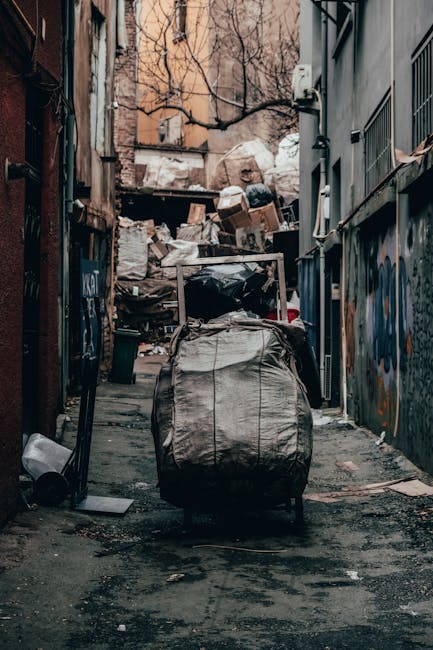
The "before" stage often includes:
- blocked walkways and stacked items
- bags or loose rubbish mixed with possessions
- hard-to-access corners behind furniture
- possible odours from food waste or damp materials
- sorting uncertainty, especially where belongings and waste are intermingled
The "after" stage is more than a clean room. It should show safer movement, clearer surfaces, and a usable layout. You will notice the difference straight away. Doors open properly. The floor is visible again. Light reaches places it could not reach before. Simple things, but they matter.
For some properties, especially those that need a full clear-out rather than a light tidy, the work overlaps with house clearance in Highbury. For others, especially when the focus is on mixed waste and general clutter, waste clearance may be the more relevant route. The right option depends on the scale and sensitivity of the job.
Key Benefits and Practical Advantages
The benefits are obvious once you see the room cleared, but it helps to spell them out because people sometimes underestimate how much one job changes the next step.
- Safer movement: fewer trip hazards, clearer exits, and better access to all rooms.
- Less stress: a room that once felt overwhelming becomes easier to think about.
- Better hygiene: rubbish removal makes it possible to clean surfaces, floors, and hidden corners properly.
- Improved property readiness: useful for lettings, sales, inspections, or renovation planning.
- More accurate decision-making: once the clutter is out, you can actually see what the flat needs.
There is a practical advantage that people miss. Clearing rubbish first often saves time later. It is difficult to redecorate, repair, or deep-clean around piles of items. Remove the rubbish and suddenly you can estimate work more honestly. That can help with budgeting too.
There is also a psychological effect. A before-and-after change can be surprisingly motivating. A person who has been stuck in avoidance mode may finally feel able to deal with the next bag, the next shelf, the next decision. To be fair, progress in these situations is often built in small steps, not grand gestures.
If budget is a concern, it helps to understand price drivers before you book. The article on rubbish removal costs in Highbury N5 is a useful starting point, and how to avoid hidden fees can help you spot the details that matter in a quote.
Who This Is For and When It Makes Sense
This type of rubbish removal is not only for extreme cases, despite what television sometimes suggests. It can help in several real-world situations:
- family members trying to support an elderly relative's flat
- landlords handling a property left in poor condition
- tenants preparing to move out after a difficult period
- executors dealing with an estate
- homeowners trying to get a flat ready for cleaning, sale, or repairs
- support workers or agents arranging practical clearance with sensitivity
Sometimes the trigger is simple: a leak, an inspection, a new tenancy, or a family milestone. Sometimes it is more urgent. Maybe the hallway is no longer passable, or there is a smell that needs immediate attention. Whatever the reason, the right time to act is usually before the situation becomes more complicated. Sounds obvious, but people wait far too long.
If access, stairs, or loading restrictions are a concern in the area, it can help to plan around local logistics. Some readers also check the article on what to know before booking rubbish removal in Highbury Barn because the same general preparation applies: know your access, know your timing, and know what is being removed.
Step-by-Step Guidance
Here is a practical way to approach a hoarded-flat clearance without making it harder than it needs to be.
- Start with a walk-through. Identify the worst areas first. Hallways, kitchens, and bathrooms usually need attention early because they affect access and hygiene.
- Separate obvious rubbish from uncertain items. Keep the decision-making simple at first. If it is clearly waste, set it aside. If it is personal, important, or potentially valuable, move it into a separate zone.
- Protect important belongings. Passports, bank paperwork, keys, photos, and medication should be kept apart from general clearance piles.
- Clear access routes first. It is often better to create a safe path through the flat before dealing with every last corner.
- Load and remove systematically. A steady rhythm works better than a panic rush. Bag, carry, load, repeat. Boring maybe, but effective.
- Check for recyclables and donations. Not everything needs disposal. Some items may be suitable for reuse if they are clean and in good condition.
- Finish with a visible reset. Sweep, wipe, and photograph the result if needed. The final state should make the change obvious.
That last part matters more than people think. A clear "after" view can help everyone involved understand what has been achieved. It is not vanity. It is clarity.
If you need help handling the disposal side properly, it is worth reading the guidance on recycling and sustainability as well as the local page on rubbish recycling and donation spots near Highbury Fields. Even when a property is heavily cluttered, reuse and recycling can still play a role.
Expert Tips for Better Results
In practice, the best results come from restraint and sequencing, not brute force.
1. Take photos before anything moves. If you are dealing with a tenancy, estate, insurance matter, or family disagreement, photos protect everyone. They also help when you need to show progress later.
2. Use zones, not one giant pile. One pile looks dramatic. It also becomes chaotic fast. Zones make sorting easier and reduce the risk of losing something important.
3. Leave emotionally sensitive items for a calmer pass. Old letters, memory boxes, and personal mementoes can slow everything down. That is normal. Put them aside and return later.
4. Keep cleaning separate from clearing where possible. If you try to deep-clean while still clearing waste, you end up undoing work. Clear first, clean after. Much simpler.
5. Be realistic about time. A small hoarded flat can still take longer than expected, especially if the contents are mixed. Plan for that instead of assuming a quick tidy-up will solve it all.
One slightly old-fashioned but useful bit of advice: keep tea and water available for whoever is sorting. It sounds trivial. It is not. People make better decisions when they are not dehydrated and frazzled. Strange how that works.
If the job involves stairs, shared entrances, or a lot of moving items, look at insurance and safety so you know the work is being handled with care. And if payment security is on your mind, the page on payment and security is worth checking before you confirm anything.
Common Mistakes to Avoid
Most problems in hoarder-flat clearances come from rushing, under-planning, or trying to make the process emotionally easier than it really is. That sounds harsh, but it is true.
- Trying to do everything in one day: sometimes possible, often unrealistic.
- Mixing rubbish with important possessions: this leads to mistakes and regret, which nobody wants.
- Skipping access checks: tight stairs, parking limits, and loading distances can affect the whole job.
- Ignoring odour or damp issues: if there is food waste, mould, or a leak, deal with the cause as well as the clutter.
- Choosing the cheapest quote without asking what is included: hidden extras can turn a bargain into a headache.
There is another common slip: people assume that because a flat looks "worse," it must be impossible. Not true. A rough-looking room can often be transformed faster than you expect once the right sorting plan is in place. It may look dreadful at 9 a.m. and workable by tea time. Not always, but often enough.
If you are comparing options, the page on same-day rubbish collection in Highbury Fields and near Emirates Stadium is useful for understanding fast turnaround expectations, while Islington Council rules for household rubbish in Highbury can help you avoid preventable disposal problems.
Tools, Resources and Recommendations
You do not need a warehouse full of gear, but a few basic tools make the job much smoother.
- heavy-duty bin bags
- gloves
- dust masks if there is dust, mould, or strong odour
- labels or sticky notes for sorting
- tape for sealing bags and marking zones
- clean boxes for documents or valuables
- a torch for dark corners, cupboards, and under furniture
If you are handling a difficult flat, an itemised plan can save a lot of stress. A good question to ask yourself is: what needs to leave, what needs to stay, and what needs a second look? That simple framework is often enough to keep the process moving.
For professional support, you may want to compare the broader service options on the services page. If the property is particularly full, the house clearance Highbury page and the main waste clearance option are the most relevant starting points.
Law, Compliance, Standards, or Best Practice
Hoarded-flat clearances can touch on several practical compliance issues, even when no one is trying to make things complicated. In the UK, waste should be handled by a responsible carrier and taken to appropriate disposal or recycling routes. That is basic best practice. It is also a place where cutting corners can cause trouble later.
If a flat is in a communal building, access routes must be kept safe and respectful. Shared halls, stairs, and entrances are not the place for random bag piles waiting for collection. It is better to plan the removal so items are moved out promptly and the building is left tidy.
In some cases, especially where parking or loading needs to be managed on the street, local permit or access considerations may apply. The exact requirements depend on the property and the job, so it is sensible to review the guide on rubbish disposal permits in Islington Council's Highbury guide. For household waste rules, the related Islington Council household rubbish rules in Highbury article can also help set expectations.
The best practice standard is simple: remove waste safely, avoid damaging the property, protect personal items, and use lawful disposal routes. Nothing flashy. Just sensible.
Options, Methods, or Comparison Table
If you are deciding how to deal with a hoarded flat, the main question is usually whether to do it yourself, use a partial service, or book a full clearance. Each approach has a place.
| Method | Best for | Pros | Trade-offs |
|---|---|---|---|
| DIY sorting only | Small, manageable rooms | Low upfront cost, full control | Time-consuming, emotionally tiring, disposal still needs organising |
| Partial rubbish removal | When the flat is cluttered but not fully overwhelmed | Faster than DIY, useful for targeted areas | May still leave sorting and cleaning to the resident |
| Full house or waste clearance | Heavily cluttered or sensitive properties | Clear outcome, less stress, quicker turnaround | Higher cost than a small one-off lift-and-go job |
There is no universal best choice. A family helping a relative may prefer a slower, more compassionate method. A landlord facing a deadline may need a quicker service. A seller preparing to list may want the space cleared as efficiently as possible. Different needs, different methods.
If commercial or mixed-use space is involved, the article on commercial rubbish removal rates for Highbury shops and offices can help you understand how non-domestic clearances are usually approached.
Case Study or Real-World Example
Here is a realistic example, based on the kind of situation that comes up more often than people think.
A one-bedroom flat in N5 had gradually filled with bags, boxes, old magazines, packaging, and furniture that no longer had a useful place. The occupant had been meaning to sort it for months. Then months turned into years. By the time the flat was tackled, the front room could only be crossed sideways, and the kitchen had become a kind of storage annex. Not ideal, obviously.
The first pass focused only on making the entrance, hallway, and living room safe to move through. That created a proper route for everything else. The second stage separated obvious rubbish from papers, keepsakes, and items that might be donated. Once the worst waste was removed, the flat looked dramatically different. Not spotless. Just real again.
The most striking part was not the number of bags gone. It was the silence of the space afterwards. No piles leaning into the room. No smell of stale packaging. No visual noise. The resident could finally see the floor and plan the next steps, which in this case was deep-cleaning and minor repair work before reoccupying the flat.
That is the kind of "after" that matters: not staged, not perfect, just workable. If you need help with the same practical step, the team pages on about us and insurance and safety are useful for understanding how a responsible service is expected to operate.
Practical Checklist
Use this before any clear-out begins. It keeps things simple.
- Identify the rooms that need the most urgent attention
- Set aside documents, keys, medication, and valuables first
- Decide what is rubbish, what is recyclable, and what may be donated
- Check access, parking, stairs, and lift availability
- Take before photos if you may need them for records
- Confirm what level of clearing you need: partial, full, or same-day
- Ask what happens to reusable items and mixed waste
- Prepare gloves, bags, labels, and boxes if you are sorting yourself
- Plan for cleaning after the waste is removed
- Make sure everyone involved knows the goal for the day
Quick reality check: if the flat feels too overwhelming to start alone, that is not failure. It is just a sign the job needs a more structured approach.
Conclusion
The before-and-after effect of rubbish removal in an N5 hoarders flat in Highbury is powerful because it changes more than appearance. It changes access, safety, confidence, and what the space can be used for next. For some people, that means a fresh start. For others, it means a property can finally be assessed, repaired, or handed over properly.
The key is not to chase perfection. It is to create a clear path forward. Start with the worst area, separate the important items, clear safely, and leave room for the next stage. Small wins matter. They really do.
Get a free quote today and see how much you can save.
And if you are standing in a room that feels impossible right now, take a breath. One cleared corner can change the whole feeling of a flat. Sometimes that is where momentum begins.


 Tipper Van - Home Waste Removal and Rubbish Removal Prices in Highbury, N5
 Luton Van - Home Waste Removal and Rubbish Removal Prices in Highbury, N5